U.S. Kidney Care Gaps Raise Concerns Over Global Health Impact

WASHINGTON — As the United States faces rising rates of kidney disease and escalating treatment costs, lawmakers and medical experts are warning that gaps in prevention, diagnosis, and innovation could have far-reaching consequences for global health systems.
During a Congressional hearing Thursday, officials described a strained system marked by late diagnoses, limited technological advancement, and uneven access to care — factors contributing to poor patient outcomes.
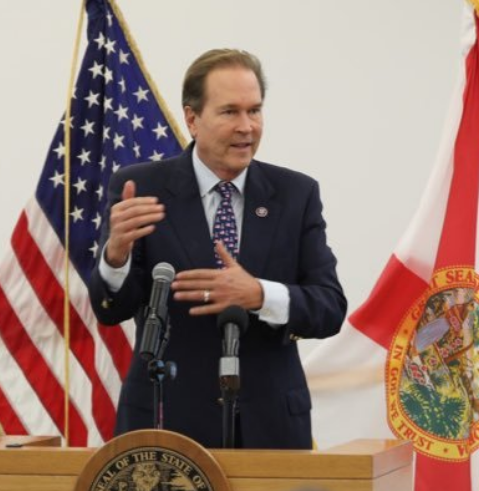
“Fifteen percent of American adults live with some form of CKD, and more than 800,000 patients live with ESRD,” said Chairman Vern Buchanan, adding that “more than 500,000 of them” require hours of dialysis each week.
He emphasized the severity of the condition, noting that “almost 60 percent of patients die within five years of starting dialysis.”
The economic burden is also significant. Although kidney disease affects a relatively small portion of patients, it accounts for a disproportionate share of Medicare spending. Buchanan said these patients represent “only 1 percent of the Medicare population” but drive a substantial portion of overall costs.
Medical experts pointed to failures in early detection as a central issue. Dr. Suzanne Watnick told lawmakers that “nine of 10 Americans living with kidney disease don’t know that they have it,” underscoring the disease’s often silent progression.
She warned that outcomes remain poor due to underinvestment. “More than half of people who start dialysis today will not be alive in five years,” she said, adding that innovation in kidney care has lagged behind other areas of medicine.
Patient testimony added urgency to the discussion. Ashli Littleton, who has lived with kidney failure for years, said, “Dialysis is the reason I am alive.”
She highlighted a lack of early awareness and guidance, saying, “Too many patients are making life-altering decisions without fully understanding their options,” and called for improved education and support.
Littleton said transitioning to home treatment improved her quality of life. “Home dialysis allowed me to live my life with dignity, independence, and flexibility,” she said.
Lawmakers from both parties emphasized the need to expand home-based care options. Congressman Jason Smith said only “15 percent of all ESRD patients in this country receive treatment at home,” describing it as a missed opportunity to improve outcomes.
Physicians also cited limited awareness as a major barrier. Dr. Robert Taylor said many patients are not informed about available alternatives. “She did not even know that home dialysis was a therapy,” he said, referring to Littleton’s experience.
Beyond access, policy challenges were also highlighted. Industry leaders argued that current payment structures discourage innovation.
“Medicare policies are driving away investment where it’s needed the most,” said John Butler, adding that the system “discourages the uptake of new technology.”
He warned that “there is almost no investment in innovation for dialysis patients today,” despite high mortality rates.
Lawmakers also raised concerns about healthcare coverage and research funding. Congressman Lloyd Doggett said cuts to Medicaid and medical research “jeopardized the health of those patients” and could result in “fewer innovative treatments.”
There was broad consensus that prevention must be prioritized. Dr. Watnick said, “We need to start upstream. We want people never to walk through those dialysis treatment doors.”
Experts identified diabetes and high blood pressure as the primary drivers of kidney disease, emphasizing the importance of early screening, lifestyle changes, and long-term care management.
Kidney disease affects more than 37 million people in the United States and remains one of the most costly chronic conditions treated under Medicare. (Source: IANS)