After the Fall – Episode 3: When No One Comes to Save You, Change Begins
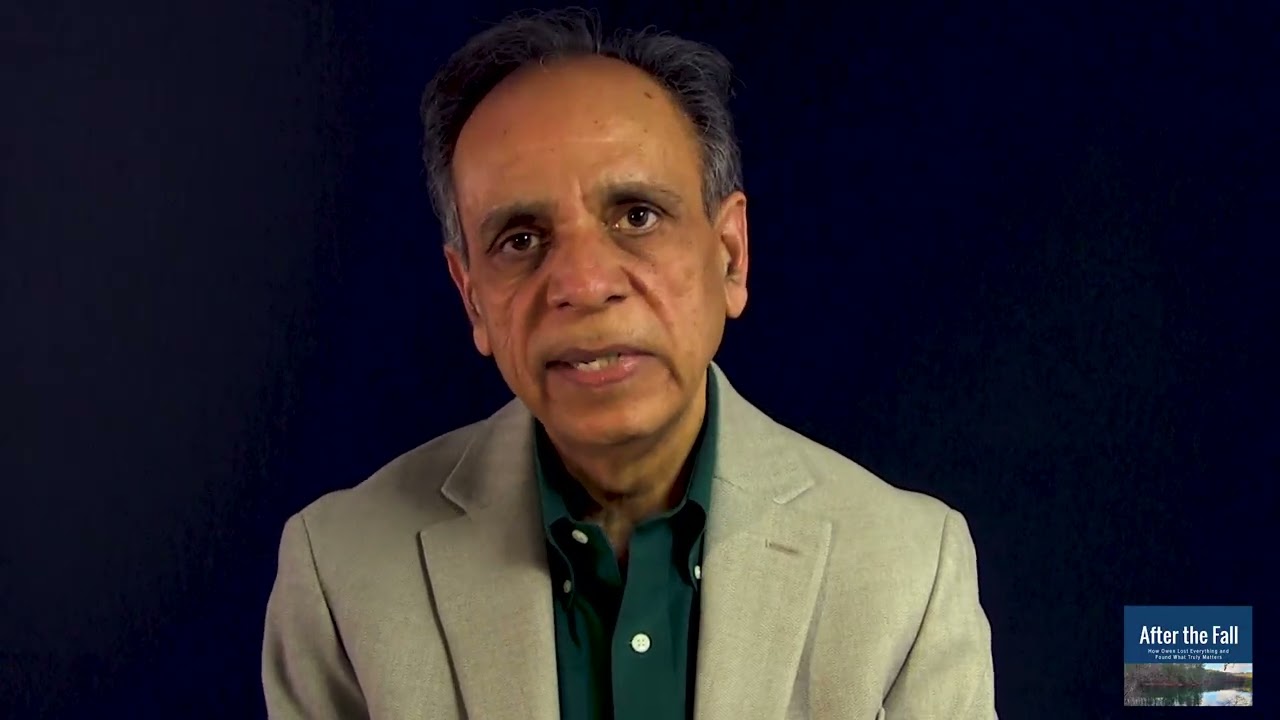

BOSTON–There’s a moment most people never talk about—the moment after everything collapses.
Not the dramatic fall itself, but the silence that follows.
The space where excuses run out.
Where titles, status, and momentum no longer protect you.
That moment is where After the Fall: How Owen Lost Everything and Found What Truly Matters by Upendra Mishra begins to matter most.
The book is not a story about failure in the traditional sense. It’s a story about repetition—about patterns that resurface no matter how far you travel, how high you rise, or how impressive life looks from the outside. Owen’s journey spans continents and careers, from humble beginnings in India to elite professional circles in Latin America and the United States. By every external measure, he makes it.
And yet, he keeps falling.
What makes After the Fall resonate isn’t the scale of success or the depth of loss—it’s the recognition that the same internal forces follow us everywhere we go. New environments don’t fix old wounds. Achievement doesn’t replace purpose. And distraction, no matter how glamorous, eventually wears thin.
In the video interview, Mishra speaks candidly about the illusion of arrival—the belief that once I get there, everything will make sense. Owen reaches that “there” early in life. Too early. And instead of fulfillment, he finds excess, numbness, and eventually collapse.
The turning point doesn’t come through rescue or reinvention. There is no dramatic comeback montage. No sudden external savior.
It comes through something quieter—and far more uncomfortable.
Responsibility.
One of the most powerful themes in the book is the distinction between blame and responsibility. Blame keeps Owen stuck in cycles—pointing outward, explaining away failures, waiting for circumstances to change. Responsibility, when it finally arrives, does something radical: it returns control.
Rock bottom, Mishra suggests, is not a punishment. It’s a stripping away. A place where illusions fall apart and truth becomes unavoidable. When Owen can no longer blame people, systems, or timing, he is forced to confront the one constant in every rise and fall—himself.
That moment is not glamorous. It’s deeply human.
From there, the transformation doesn’t happen in sweeping gestures. It happens in small, almost invisible decisions. Daily discipline. Honest self-examination. A willingness to sit with discomfort rather than outrun it.
This is where the concept of the inner compass emerges.
The inner compass isn’t motivation. It’s not positivity or ambition. It’s a steady internal alignment—a way of moving through life without swinging wildly between highs and lows. It’s learning how to live without needing extremes to feel alive.
Mishra draws on Eastern philosophy, Western psychology, and lived experience to show that real change isn’t loud. It doesn’t announce itself. It happens when no one is watching.
In the interview, this idea comes through clearly: no one is coming to save you—but the moment you decide to save yourself, the healing begins.
That realization can feel terrifying. Until it becomes liberating.
After the Fall is ultimately a book about integrity—restoring it, protecting it, and building a life around it rather than around performance or approval. It asks questions many people avoid:
Why do the same patterns keep returning?
What happens when success no longer distracts you?
Who are you when the noise stops?
This book isn’t just for people who have fallen hard. It’s for anyone who senses they’re living slightly out of alignment. Anyone who has achieved what they once wanted, only to discover it didn’t deliver what they expected.
The video interview offers a glimpse into these ideas. The book invites you to sit with them longer.
Because sometimes, what truly matters doesn’t appear at the peak—but after the fall, when the truth finally has room to speak.