
I didn’t set out to be a regular hero: Rana Daggubati


By Sugandha Rawal
New Delhi– Rana Daggubati doesn’t see any project as a risk and likes to keep his creative spirit busy. The “Baahubali” star says he didn’t set out to be a regular hero as his mantra is to keep trying new things.
His career graph is filled with diverse projects — something he is proud of.
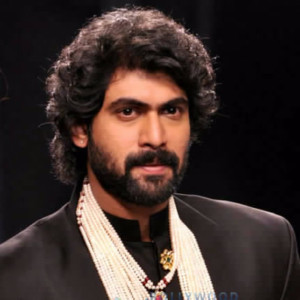
“I didn’t set out to be a regular hero. My mantra has always been, ‘Give me something new and I’ll do it with all my heart’. That is what I truly believe and look for in every project,” Rana told IANS in an email interview.
The actor says he loves to entertain people.
“I get restless if I don’t do something. I love to be in the entertainment space, and my aim is to create new content and entertain people, whether it’s in movies or on TV.
“I truly believe that cinema is a collaborative effort and as long as I get to tell, and be part of, interesting stories, and work with genuine people, I don’t see any project as a ‘risk’,” he added.
Rana is known for his portrayal of an evil king pitted against his cousin brother in the “Baahubali” franchise, and as a naval officer in “Ghazi”. He has also lent his voice to the character of supervillain Thanos for the Telugu version of Hollywood film “Avengers: Infinity War”.
Marvel Studios’ “Avengers: Infinity War”, which features an ensemble of superheroes, will release worldwide on April 27.
The actor, who has worked in the southern film industry as well as in Bollywood, found dubbing as Thanos exciting.
“I felt the sheer power of Thanos while dubbing and tried my best to bring it through the voice. It was fascinating because the entire story is told from the point of view of Thanos. It is also good to be associated with one of the most successful film franchises in the world.”
The tall and handsome actor was ecstatic with the offer as he got associated with the Marvel Cinematic Universe .
“I have grown up reading Marvel Comics and (watching) Marvel movies with their intricately woven story lines… They have been some of my favourite movies to watch. My early memories would perhaps be reading about Iron Man and watching that film first,” said the actor.
Be it “Baahubali” or “Avengers: Infinity War” — he is the main villain. So, what attracts him towards dark characters?
“Each character, be it the antagonist or the protagonist, brings with himself his own personality… and I have tried to stay true to each one of them; each is enjoyable in their own way! Be it ‘Baahubali’ or Thanos, what draws me towards the character is the way they have been etched out,” he added.
Explaining the psyche of Thanos, the actor added: “Thanos is undoubtedly the most powerful entity and villain the world has ever seen — he is virtually indestructible. Imagine a villain so menacing that all the Avengers, Guardians of the Galaxy and their allies have to come together in a hope to defeat this one guy; such characters come to you once in a lifetime!
“Apart from being fun, it was fascinating because the entire story is told from the point of view of Thanos.”
What’s next?
“I have two movies — ‘Haathi Mere Saathi’ and ‘Hiranya Kashyap’ coming up.” (IANS)